
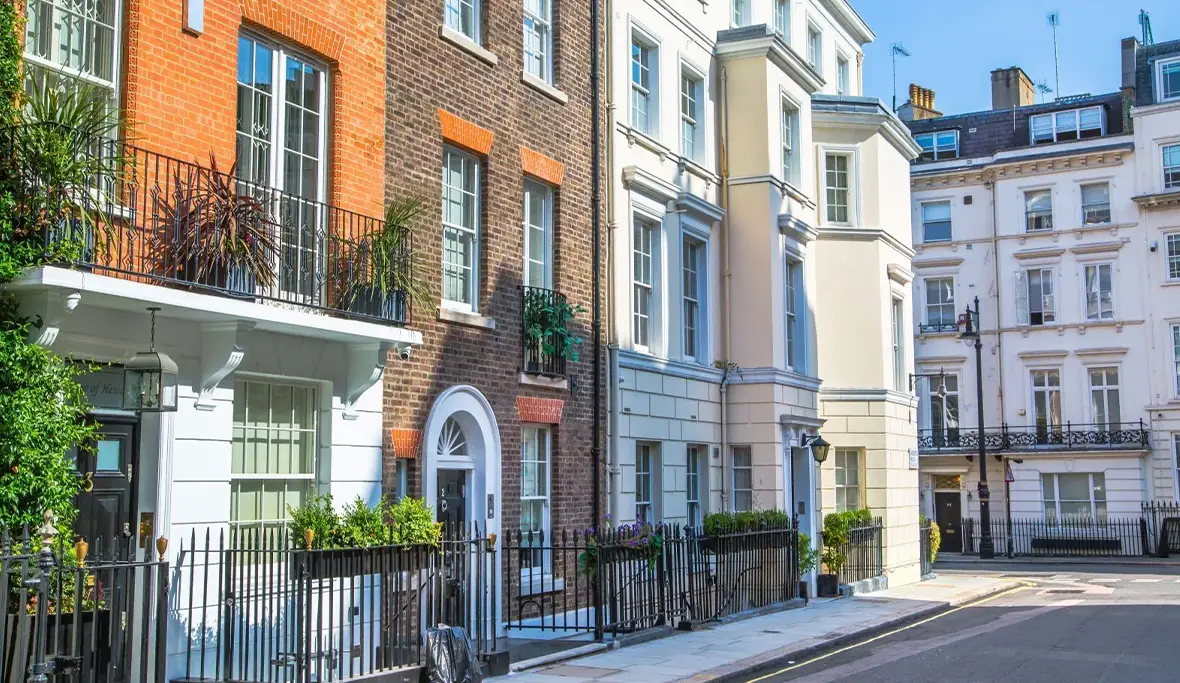
London’s luxury residential sales market is entering a pivotal era, where the world’s most discerning buyers measure every decision with care. For those eyeing prime property, whether a sleek Knightsbridge apartment, a historic family home in Belgravia, or a penthouse flat overlooking Hyde Park, the game is changing in fascinating ways. Here’s what high-net-worth buyers need to know for 2026, with a synopsis upfront and sections tailored for the luxury sector.
Synopsis: What Luxury Buyers Should Expect in 2026
- Prime London prices are recalibrating; expect measured adjustment, not runaway growth.
- Top-end apartments and flats remain globally coveted, attracting buyers from the US, Middle East, and Asia.
- Tax reforms, policy updates, and sustainability standards are transforming the buying process for luxury homes.
- International demand is resilient, but currency shifts, finance costs, and macro-economics now matter more than ever.
- Ultra-prime sales and best-in-class flats continue to command a premium in a market that prizes rarity and quality.
Interest Rates: Prime Advantages for Liquid Buyers
The ongoing shift in interest rates is felt differently at the upper end of the market. While mainstream buyers rely heavily on borrowing, luxury buyers often have access to significant liquidity or bespoke financing. Competitive mortgage rates—expected to remain near record lows—can boost buying power for those leveraging purchases, but prime buyers may use this climate to negotiate hard on trophy apartments and iconic flats. Major deals are cut by buyers ready to move swiftly, taking advantage of soft pricing or motivated sellers in elite neighborhoods.
Supply Dynamics: The Power of Rarity
For luxury buyers, scarcity remains the ultimate value driver. Ultra-prime stock be it a whole-floor apartment at One Hyde Park or a Mayfair townhouse, remains in limited supply. Notable 2024 sales, such as fashion designer Tom Ford’s £80 million Chelsea mansion and a £138.9 million Regents Park estate, show that for the rarest and best-located homes, prices stay resilient even amid cooling elsewhere. Emerging luxury hotspots (like Hackney and Inner East London) are also outperforming thanks to exclusive new developments and regeneration. For buyers, this means focusing on one-of-a-kind apartments or historic flats that offer enduring value.
Regulation: New Taxes and the Sustainability Shift
The luxury segment is at the forefront of regulatory and tax reforms. The end of the “Non-Domiciled” tax status and new stamp duty thresholds are reshaping how international elites approach the London marketplace. Clarity from recent UK budgets is pivotal, as luxury buyers increasingly factor in holding costs and future capital gains when transacting at the top end.
Sustainability requirements add another layer: New rules push for higher energy performance (EPC) ratings, pressing owners of historic mansions and large flats to invest in green upgrades or risk value erosion. Astute luxury buyers are looking for flats, apartments, and homes that already meet or can easily reach these new standards.
Economic Forces: Opportunity Amid Volatility
While global economic conditions are a headwind for some, experienced luxury buyers see opportunity amid volatility. A soft pound continues to lure overseas buyers, especially from the US and Middle East who see London’s super-prime real estate as a store of value and safe haven. Analysts expect price growth in the luxury segment to be modest, ranging between 1% (prime central) and perhaps as much as 3-5% in 2026 for the most desirable properties. Cumulative growth is forecast between 18% and 21% by 2029, underpinning London’s ongoing appeal for long-term investors.
Demand Shifts: Trophy Apartments and Best-in-Class Living
The definition of luxury is evolving. Today’s luxury buyers want more than square footage. They want the full London lifestyle: security, privacy, green credentials, and exceptional amenities. “Best-in-class” flats in branded residences, with features like panoramic views, private pools, and concierge service, still draw competition and can fetch stratospheric prices. At the same time, new wealth from tech, finance, and global entrepreneurs continues to reshape buyer demographics, with a preference for turnkey, high-spec apartments in the city’s most prestigious addresses.
Super-prime lettings are also surging, as some luxury buyers opt to rent before making long-term commitments. Rents are forecast to grow by up to 4% in 2026 in top London locations even as capital values recalibrate.
Key Takeaways for 2026’s Luxury Market
- London luxury real estate offers resilient value for discerning buyers, even in a ‘recalibrating’ market.
- Rare trophy apartments and exceptional flats in legacy neighborhoods will weather price adjustments.
- New tax rules and green building requirements demand sharper due diligence from international buyers.
- The best investment opportunities may exist in emerging super-prime areas or in repositioned landmark homes.
- Whether buying, selling, or investing, confidence in London’s luxury market remains underpinned by global desirability and a historical record of long-term appreciation.
In 2026, success in London’s luxury residential sales market will go to those who combine informed strategy, readiness to act, and an eye for the truly exceptional flat or apartment because, in this segment, quality and rarity always command a premium.